
Diesel is usually the single largest controllable cost line in a mid-size cashew processing plant after raw cashew nut and labor. Roasting, boiling, cutting lines, dryers, and peeling equipment all draw power for long shifts during peak season, and in most cashew-growing regions the grid is either unreliable, expensive, or both. That’s why a growing number of processors — from single-line operations to larger export-focused factories — are looking at solar not as an environmental add-on, but as a straightforward cost and reliability decision.
The Real Cost Driver: Diesel Dependence
Generator-backed power has a cost structure that punishes exactly the businesses that run longest hours: fuel, maintenance, and generator wear scale directly with runtime. A factory running cutting machines, driers, and lighting for 10-12 hours a day during harvest season can burn through diesel budgets fast, and fuel prices in many cashew-producing countries are volatile and sometimes hard to source consistently near the factory. A solar array sized against daytime production load shifts a meaningful share of that consumption away from fuel, and unlike diesel, the “fuel” — sunlight — doesn’t fluctuate in price from one delivery to the next.
The payback case is specific to each factory’s fuel cost, grid tariff, and daily runtime, so we won’t quote a blanket return period here. What’s consistent across processors is the direction: the more hours of daylight production a factory runs, the faster solar capital is recovered against the diesel it displaces.
Protection During Peak Processing Season
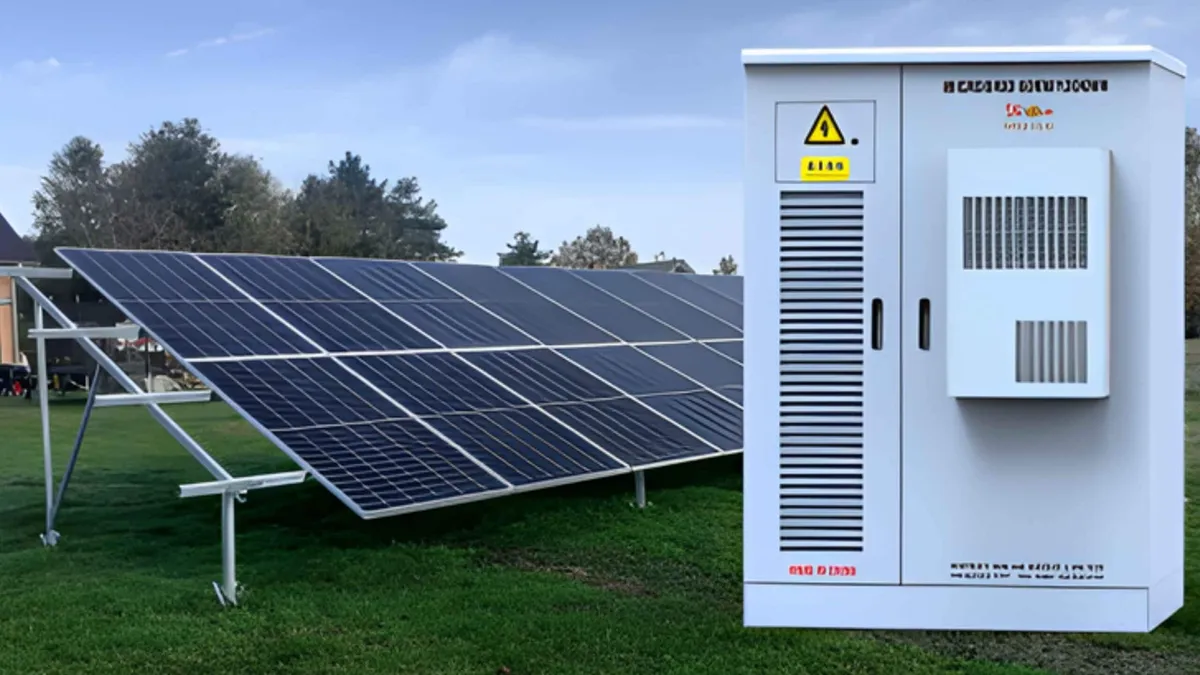
Cashew processing is seasonal, and peak season is exactly when grid instability tends to be worst — regional demand spikes, and in some areas seasonal weather affects hydro-heavy grids just as factories run at full capacity. A generator can cover a gap, but every unplanned stoppage on a cutting or roasting line costs processing time and can affect kernel quality if a batch is interrupted mid-process. A solar system paired with battery storage, or run alongside existing backup generation, reduces how often the factory depends entirely on the grid or diesel at the moment demand is highest — giving the plant more predictable uptime through the busiest weeks of the year.
A Sustainability Story Buyers Are Starting to Ask About
Export buyers, particularly in Europe and North America, are increasingly asking cashew processors about energy sourcing and supply-chain sustainability as part of their own reporting requirements. A factory that can point to solar generation as part of its power mix has a genuine, verifiable answer — not a marketing claim, but an operational fact about how the nuts were processed. For processors competing for contracts with sustainability-conscious buyers, that’s a real differentiator alongside product quality and consistent supply.
Where Solar Fits Alongside Existing Equipment
Solar doesn’t have to replace the grid or generators outright — most factories run it as a hybrid system, offsetting daytime diesel or grid draw while keeping existing backup for cloudy days, night shifts, or seasonal shortfalls. That makes it a lower-risk addition to an existing processing line rather than a full infrastructure overhaul, and it can typically be phased in over time as the operation grows.
If you’re evaluating solar for a specific factory layout and equipment list, our team can talk through how a system would sit alongside your existing cutting and processing lines.